Today’s sequence · 25 October 2026
Thirty-Minute Evening Hip Opener
A long, quiet practice for the end of a day spent sitting. Nothing is forced and nothing is held at the edge; the length of the holds is what does the work, and the whole thing is designed to be done at about seventy percent of what you could manage.

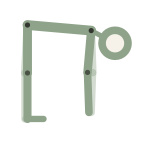


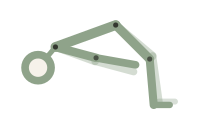
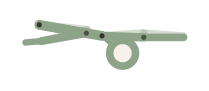

Open the full sequenceEvery flow

The flow shelf
Sequences ordered from shortest to longest. Each one lists its poses in the order you practise them, with a breath count per pose and the peak pose marked.
- 01Eight-Minute Hotel Room FlowSpine · Hips · Hamstrings8'Beginner
- 02Ten-Minute Desk-Hour ResetShoulders · Lower back · Neck10'Beginner
- 03Fifteen-Minute Sunrise MobilitySpine · Shoulders · Hips15'Beginner
- 04Fifteen-Minute Wind-Down for SleepLower back · Hips · Neck15'Beginner
- 05Sun Salutation A, Walked Through SlowlySpine · Shoulders · Core20'Beginner
- 06Twenty-Minute Chair-Supported Gentle PracticeSpine · Shoulders · Hips20'Beginner
- 07Twenty-Minute Core and Arm BalanceCore · Shoulders · Wrists20'Intermediate
- 08Twenty-Five Minutes for Hamstring LengthHamstrings · Lower back · Calves25'Beginner
- 09Thirty-Minute Evening Hip OpenerHips · Groins · Lower back30'Beginner
New poses and flows are added a few at a time rather than all at once — the shelf simply gets longer. Anything not yet published is not listed and has no page.